
Synopsis
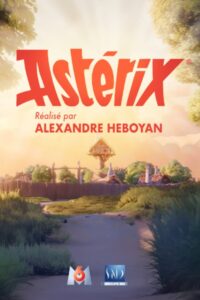
The first thing you notice in Asterix: The Kingdom of Nubia isn’t the punchline, it’s the color. Golden sands bleed into deep indigo skies, and the familiar clatter of Roman armor sounds different when it echoes across Nubian stone temples instead of European forests. That sensory shift matters. For a franchise that’s decades old, this animated entry understands that freshness starts with place, not plot.
This time, Asterix and Obelix are pulled far from their stubborn little village when a diplomatic mission goes sideways in Nubia, a kingdom caught between Roman pressure and internal unrest. The story doesn’t rush to gags. Instead, it lets the setting breathe, markets hum with life, murals tell silent histories, and the heat itself feels like an obstacle. It’s a clever tonal adjustment that makes the comedy land harder when it arrives.
Visually, Asterix: The Kingdom of Nubia leans into textured animation rather than polish-for-polish’s sake. Character outlines remain bold and expressive, but backgrounds carry painterly depth, especially during dusk scenes where silhouettes do more storytelling than dialogue. The sound design deserves credit too: Roman marches clash with regional percussion, subtly reinforcing the culture clash without spelling it out.
Voice performances keep the rhythm tight. Asterix’s sharp wit cuts cleanly through scenes, while Obelix’s physical comedy is staged with restraint, fewer falls, better timing. It’s confident filmmaking, the kind that trusts silence before a punchline.
Rather than leaning on nostalgia alone, the film uses the franchise’s strengths, satire, physical humor, historical parody, and places them in unfamiliar territory. That balance is what elevates it among Asterix animated movies and modern French animated adventure films.

Original title Astérix - Le Royaume de Nubie
Director

Director
Cast
Astérix (voice)

Obélix (voice)

Panoramix (voice)

Duplicatha (voice)

(voice)

(voice)
Similar titles





Comments are closed.