


Video Sources 177 Views Report Error
Synopsis
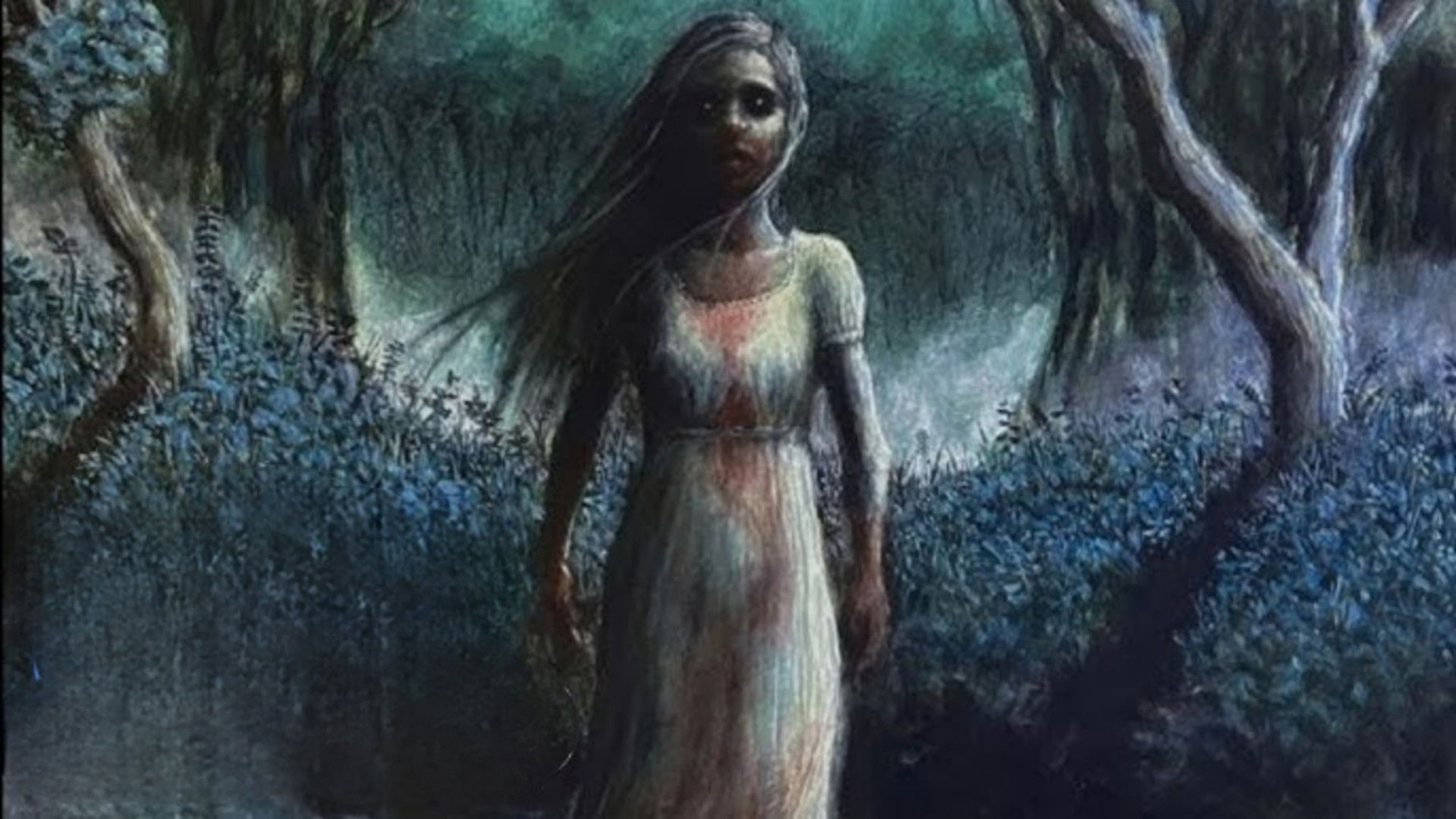
The Calling Witch (2026) is a Hollywood supernatural horror film that blends psychological terror with folklore-based fear. Rather than relying solely on jump scares, the movie emphasizes eerie atmosphere, slow-burn tension, and the idea that some forces are drawn inexplicably toward human weakness. With its haunting tone and focus on belief, dread, and isolation, the film sits comfortably in the modern genre of atmospheric horror.
The Calling Witch Storyline
The story follows Anna, a young historian researching forgotten traditions in a small rural town where old superstitions still hold sway. When she discovers a set of cryptic manuscripts referencing a long-banished witch spirit, the lines between myth and reality begin to blur. Locals warn her that the writings she’s translating carry a curse one that can “call” the witch back into the world if read aloud under certain conditions.
Intrigued yet skeptical, Anna presses on. At first, strange incidents are subtle shadows moving at the edge of vision, whispers in the dark, and objects appearing where they shouldn’t be. As the boundaries between waking life and nightmare erode, Anna begins to realize that the haunting is not random. The spirit seeks acknowledgment, revenge, and a vessel through which to manifest.
Desperate to stop what she has begun, Anna must decode the remaining manuscripts and confront the dark history that tied the witch to the town centuries earlier. The more she uncovers, the more she recognizes that some knowledge comes at a price and once something is called, it may never truly disappear.
Original title The Calling Witch
TMDb Rating 5.875 12 votes
Director

Director
Cast
Virginia
Edward
Alison / Woman

Warren

Greg

Sheriff Dupray

Meredith
Young Virginia

Brad
James
Similar titles









Comments are closed.